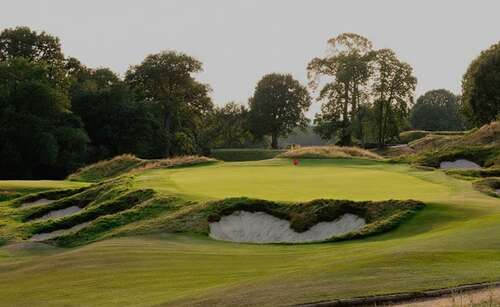
Royal Wimbledon Golf Club is one of London’s oldest and most prestigious courses, tucked along the wooded edge of Wimbledon Common. The layout rewards intelligent golf rather than brute force, with subtle doglegs, heather-fringed carries and greens that place a real premium on approach play and pace control. The opening holes set the tone with generous views across the common before the course ducks into corridors of mature trees where shot shaping matters. Bunkering is classic and sparing, positioned to influence decisions rather than simply to punish. Off the course, the clubhouse offers an elegant sense of tradition and calm, perfect for a post-round lunch or a quiet drink on the terrace. While visitors usually require advance arrangements and a valid handicap certificate, the welcome is warm and professional, and pace of play is well managed. The practice ground and short-game areas are excellent for a warm-up or a focused session on wedges and putting. If you are planning a Wimbledon golf break, Royal Wimbledon pairs well with the neighbouring common courses for a two- or three-round itinerary, and it sits within easy reach of central London via public transport or taxi. Expect conditioning that holds up well through the season, crisp fairways, and greens that are true without being overly slick, making it enjoyable for capable golfers and ambitious improvers alike.
Wimbledon Common Golf Club shares the historic heathland setting of the Common, creating a round with a distinctly traditional London feel. Fairways weave through heather and gorse, with red-post markers guiding play across the shared land. The course is not long by modern standards, yet its interest lies in position rather than power. Holes turn subtly, asking for well-placed tee shots to open up receptive angles into small, well-defended greens. Bunkers are shallow but strategically placed, and the heather is more than just scenery if you stray. What makes a visit special is the sense of community and heritage. The friendly clubhouse embraces its long history, and staff are happy to talk first-timers through local by-laws and the time-honoured etiquette of playing on the Common. Slow play rarely spoils the experience thanks to considered spacing of tee times. The course drains surprisingly well, so it remains playable in shoulder seasons when parkland layouts can struggle. Many golfers combine a morning round here with an afternoon stroll to the windmill or a visit to the village for lunch. For improving players, it is a perfect environment to learn course management and short-game craft. Bring straight driving, a tidy chip and putt, and you will post a number you are proud of.
Founded in the 19th century, London Scottish Golf Club is famed for being among the oldest clubs still playing over Wimbledon Common. It offers a characterful heathland test set against a backdrop of pines, birch and open heath. Fairways are relatively narrow, so accuracy from the tee delivers big rewards on approaches to compact greens with gentle contours. The routing uses the natural undulations of the Common to good effect, with short par fours that tempt and longer holes that demand committed carries. Local rules for common land golf, including the wearing of red, reinforce the club’s unique identity and connection to the landscape. The clubhouse is intimate and welcoming, with a relaxed bar that feels like a proper golfers’ retreat after a breezy day out on the heath. Visitors appreciate the value and the chance to experience golf as it once was, free of modern excess but rich in tradition. It is an ideal complement to a round at Wimbledon Common Golf Club, as the two courses share terrain yet vary in feel and strategy. Public transport links make it straightforward to reach from central London, and there are plenty of nearby pubs and cafés for a casual lunch. Expect firm turf, creative shot options, and a quietly memorable day.
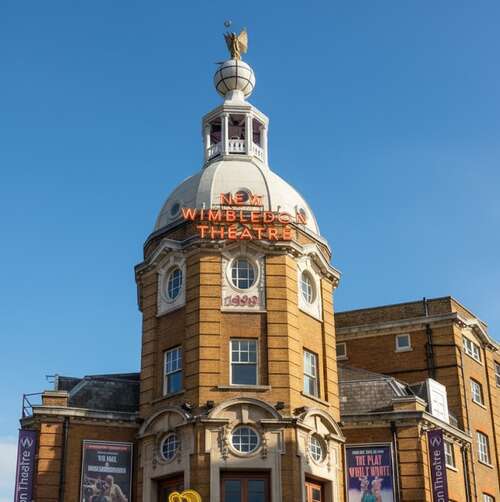
New Wimbledon Theatre is a grand Edwardian landmark that brings West End energy south of the river. Its lavish auditorium, complete with sweeping balconies and ornate plasterwork, creates a genuine sense of occasion before the curtain even rises. The programme is broad and busy, ranging from big-name touring musicals and comedy to dance, drama and the much-loved annual panto. Sightlines are good across most seats, and the acoustics are crisp, so dialogue and vocals carry well. The theatre’s staff are efficient and friendly, keeping intervals smooth and foyers calm even on sell-out nights. Pre-theatre options abound, whether you want a quick bite on The Broadway or a more leisurely dinner near Wimbledon Village. Families rate the venue for its accessible facilities, booster cushions and stress-free logistics from train or tram. If you are planning a special night, the dress circle offers a fine view and a classic theatre experience. For theatre fans who track touring productions, New Wimbledon often hosts early weeks of major shows, so you can see new casts and creative twists before runs transfer elsewhere. It is also a lively community hub, with workshops and occasional talks that open the doors to how productions come together. A highlight of any Wimbledon stay.
Polka Theatre is a national treasure for children’s theatre, purpose-built to make the magic of performance accessible and joyful for young audiences. Its spaces are designed at child height, with playful details in the foyer, a dedicated play area, and thoughtful touches that ease first theatre trips. The programme spans inventive adaptations of picture books, original stories, and gentle introductions to music, movement and puppetry. Productions value clarity, warmth and imagination over spectacle, which keeps the focus on storytelling and connection. Staff are calm and welcoming, creating an environment where families can relax, feed babies and take breaks as needed. Education is at the heart of Polka’s mission, with workshops, sensory-friendly performances and relaxed shows that ensure children of all needs feel included. Café offerings are family-friendly, and storage for buggies is well organised. The neighbourhood adds to the appeal, with parks and cafés nearby for pre- or post-show wandering. If you are introducing a child to live theatre, Polka is as good as it gets, and for locals it remains a reliable source of half-term inspiration. Expect clever staging, short runtimes that respect attention spans, and stories that prompt conversation all the way home.
Inspired by the layout of Shakespeare’s Rose, the Rose Theatre Kingston blends a modern riverside setting with an intimate, thrust-stage feel. The auditorium wraps around the action, drawing audiences close to the performers and creating a buzz that larger houses sometimes lose. Programming balances classics and new writing, with visiting companies and co-productions that bring fresh ideas to the borough. The theatre’s foyer is a light-filled social space that works brilliantly for pre-show coffees or meetings, and the riverside location makes it easy to pair a matinee with a stroll along the Thames. Seating includes comfortable benches at the front for a relaxed experience and raked seats further back for clear views. Families appreciate the theatre’s seasonal shows and youth projects, while serious theatre-goers come for strong casts and inventive direction without central London prices. Getting there from Wimbledon is straightforward by bus or train, and the surrounding streets offer plenty of restaurants for post-show supper. The Rose has built a loyal audience by treating local theatregoers as collaborators, not just customers, with talks, readings and community events that give insight into the creative process. It is a cultural anchor for south-west London.
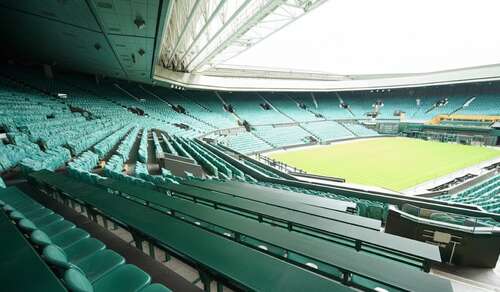
Set within the All England Lawn Tennis Club, the Wimbledon Lawn Tennis Museum tells the sport’s story from genteel Victorian pastime to the global drama of Centre Court. Exhibits mix vintage rackets, early balls and fashion with interactive displays that explain spin, string tension and grass-court maintenance. Film and photography bring iconic matches to life, while memorabilia from legends adds a frisson for fans who grew up watching them. A highlight is the behind-the-scenes glimpse at how the Championships work, from meticulous groundskeeping to the choreography that gets thousands of people to their seats in time. Temporary displays keep repeat visits interesting, and audio guides are clear and concise. Depending on ticket choice and availability, you can pair the museum with a guided tour of the grounds for a deeper look at media centres, courts and player facilities. Staff are knowledgeable and approachable, happy to answer questions from the rules of tie-breaks to the origins of strawberries and cream. The shop is well curated, with tasteful souvenirs as well as technical kit. It is easy to reach by public transport, and visiting outside peak tournament dates means more space to linger. For tennis lovers, it is a must; for everyone else, it is an engaging look at British sporting culture.
Perched on Wimbledon Common, the charming 1817 windmill houses a hands-on museum that celebrates milling, local history and the craft of harnessing the wind. The building itself is a delight, with white weatherboarding and sails that make a striking silhouette against the heath. Inside, exhibits chart the evolution of wind power from simple mills to complex mechanisms, with model mills that children can crank and displays that demystify gears and grinding stones. Volunteers bring the story alive with demonstrations and anecdotes about the windmill’s working life, its restoration, and its role as a local landmark. The museum is compact, so visits pair perfectly with a walk on the Common or a picnic by the nearby café. Panels set the windmill in the wider context of the Common’s ecology and history, including the rights that protect it as shared open land. On selected days there may be opportunities to climb to the upper floors, which adds a little adventure to the learning. It is a gentle, affordable outing that rewards curiosity, encouraging visitors to think about energy and engineering in an accessible way. Bring comfortable shoes, a camera for the classic exterior shot, and time for a wander among the heather.
Run by the Wimbledon Society, the Museum of Wimbledon is a labour of local love that traces the area’s story from prehistory to the present. Displays bring together archaeology, maps, photographs and everyday objects to show how village, common and town evolved. You might find Victorian shop signs, fragments of pottery, wartime ephemera and railway artefacts sitting side by side, each with thoughtful labels that focus on people as much as places. Temporary exhibitions dive into specific themes, such as notable residents, housing, or the changing high street. Volunteers are welcoming and full of knowledge, often pointing out details you might otherwise miss or recommending a short heritage walk that connects items in the cases to sites outside. The museum is small, yet it punches above its weight in interpretation and community spirit. It is a lovely counterpoint to the big national galleries, reminding visitors how local stories stitch together to form the fabric of London. Combine a visit with coffee in the village or a stroll across the Common. Entry is typically free or low cost, making it easy to drop in for half an hour and come away with a deeper sense of place.
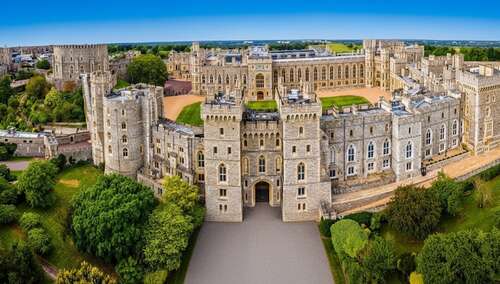
An easy day trip from Wimbledon, Windsor Castle is the world’s oldest and largest occupied castle, an impressive sweep of fortifications and state apartments that dominate the town. Visitors can explore the richly furnished rooms hung with paintings and tapestries, where ceremonial life unfolds, and step into St George’s Chapel, a masterpiece of Perpendicular Gothic with exquisite fan vaulting. The Castle’s layered history is tangible, from Norman origins to modern events. The precincts and terraces offer fine views over Windsor and the Thames. On selected days the Changing of the Guard adds pageantry, while multimedia guides provide context without overwhelming the senses. The flow through rooms is well managed, and there are helpful staff throughout to answer questions about architecture, furnishings or the Order of the Garter. Windsor pairs beautifully with a riverside walk or lunch in town. Trains from south-west London make the journey straightforward, and families appreciate the clear signage and practical facilities. Photography is permitted in many outdoor areas, but you should check guidance for interiors. Allow several hours to do it justice. Even for those who have visited before, seasonal displays and exhibitions keep the experience fresh.
The Tower of London is a fortress, palace and prison all in one, a place where royal power and intrigue have left deep marks on English history. Highlights include the Crown Jewels, displayed with careful theatre, and the atmospheric White Tower, with its Norman keep and armoury. Yeoman Warder tours are famous for mixing humour with grisly detail, bringing to life stories of queens, traitors and ravens. The site is large, so it pays to plan a route that fits your interests, whether you favour medieval fortifications, Tudor drama or the military collections. Families will find interactive elements and plenty of space to explore, while history enthusiasts can linger over inscriptions carved by prisoners, cannon on the battlements and the architecture of successive reigns. Food options are decent, and gift shops are well stocked without being pushy. The Tower sits beside the Thames with iconic views of Tower Bridge, and it is easy to combine a visit with a riverboat ride or a walk along the North Bank. Arriving early helps beat queues for the Jewels, and weekday mornings are usually calmest outside school holidays.
Guildford Castle is a picturesque Norman motte-and-bailey stronghold set in beautifully tended gardens, making it a relaxed, scenic outing within reach of Wimbledon by rail. The surviving Great Tower offers a compact exhibition on the castle’s history and a rooftop viewing platform with sweeping vistas across the town and Surrey Hills. Interpretation is clear and family-friendly, explaining how the castle evolved from a royal residence to a ruin and public park. The grounds are the real charm, with colourful planting, seasonal displays and quiet corners perfect for a picnic. You can trace the line of the original earthworks and imagine timber palisades and stone defences that once stood here. The site pairs well with a wander along the High Street, a visit to the nearby museum, or a stroll by the River Wey. It is ideal if you want a gentler, less crowded alternative to the Tower, while still getting a satisfying dose of medieval history. Access is straightforward, and tickets are modestly priced, making it an easy add-on to a day out. On bright days the gardens glow, and the keep becomes a striking focal point for photos.

Located in nearby Tooting, St George’s is a specialist university embedded within a major NHS hospital, giving it a distinctive, clinically immersive environment. Visitors get a feel for how medicine, biomedical science and healthcare professions are taught alongside real-world practice. The campus is compact and practical, with teaching labs, simulation suites and social spaces knit into the hospital complex. Open days showcase pathways from lecture theatre to ward, and the student community is known for its strong sense of purpose and collaboration. For prospective students, it is a chance to see how early patient exposure and interprofessional learning build confidence and skills. The surrounding neighbourhood is lively and multicultural, with excellent food options and quick transport links back to Wimbledon or into central London. Even if you are not planning to study, it is interesting to see how a modern medical school works in the capital, and to explore the balance between academic study and clinical care that defines St George’s unique character.
Set among leafy parkland near Richmond Park, the University of Roehampton offers one of south-west London’s greenest campuses. Historic colleges sit alongside modern facilities, creating a collegiate feel with lakes, lawns and mature trees that make a lovely backdrop for study or a leisurely visit. Academic strengths include education, dance, humanities, social sciences and business, supported by libraries, studios and well-equipped teaching spaces. The campus is compact and walkable, and there is a friendly, community atmosphere that visitors notice straight away. Open days often include tours of accommodation and facilities, and student ambassadors are candid and helpful. From Wimbledon it is a short hop by bus or bike, and you can easily combine a visit with a walk in Richmond Park or a riverside coffee in Putney. For parents and prospective students, Roehampton shows how a London university can feel close-knit and green while still offering quick access to the city’s cultural life. It is a pleasant place to spend a few hours, even if you are simply exploring higher education options in the area.
Kingston University sits just down the line from Wimbledon and blends riverside living with a progressive academic outlook. Its Town House building has won major architecture awards for its light-filled learning spaces, open staircases and welcoming public areas, setting the tone for a campus that values creativity and community. The university is particularly strong in art and design, architecture, business, engineering and the creative industries, with studios, workshops and labs that encourage hands-on learning. Visitors can explore exhibitions at the Stanley Picker Gallery, catch public talks, or simply enjoy the buzz along the Thames. The town centre offers easy food and shopping, and transport connections make it simple to travel from Wimbledon. For prospective students, tours show how courses integrate placements, industry links and collaborative projects. Even a short visit gives a sense of how Kingston leverages its location and facilities to foster ideas and entrepreneurial spirit. It is a compelling snapshot of modern university life in south-west London.
